Tokyo is one of the world’s most exciting cities, attracting millions of visitors every year. From neon-lit streets and ancient temples to shopping districts and observation decks, there’s no shortage of things to do in Tokyo.
But here’s something worth remembering: just because somewhere is popular with tourists doesn’t necessarily mean it’s the best place to experience Japan.
Some attractions genuinely deserve their reputation. Others are overcrowded, overpriced, or simply more interesting on social media than in real life.
Here are 10 of Tokyo’s most popular tourist attractions, along with our honest perspective as locals on which are worth visiting and which are overrated.
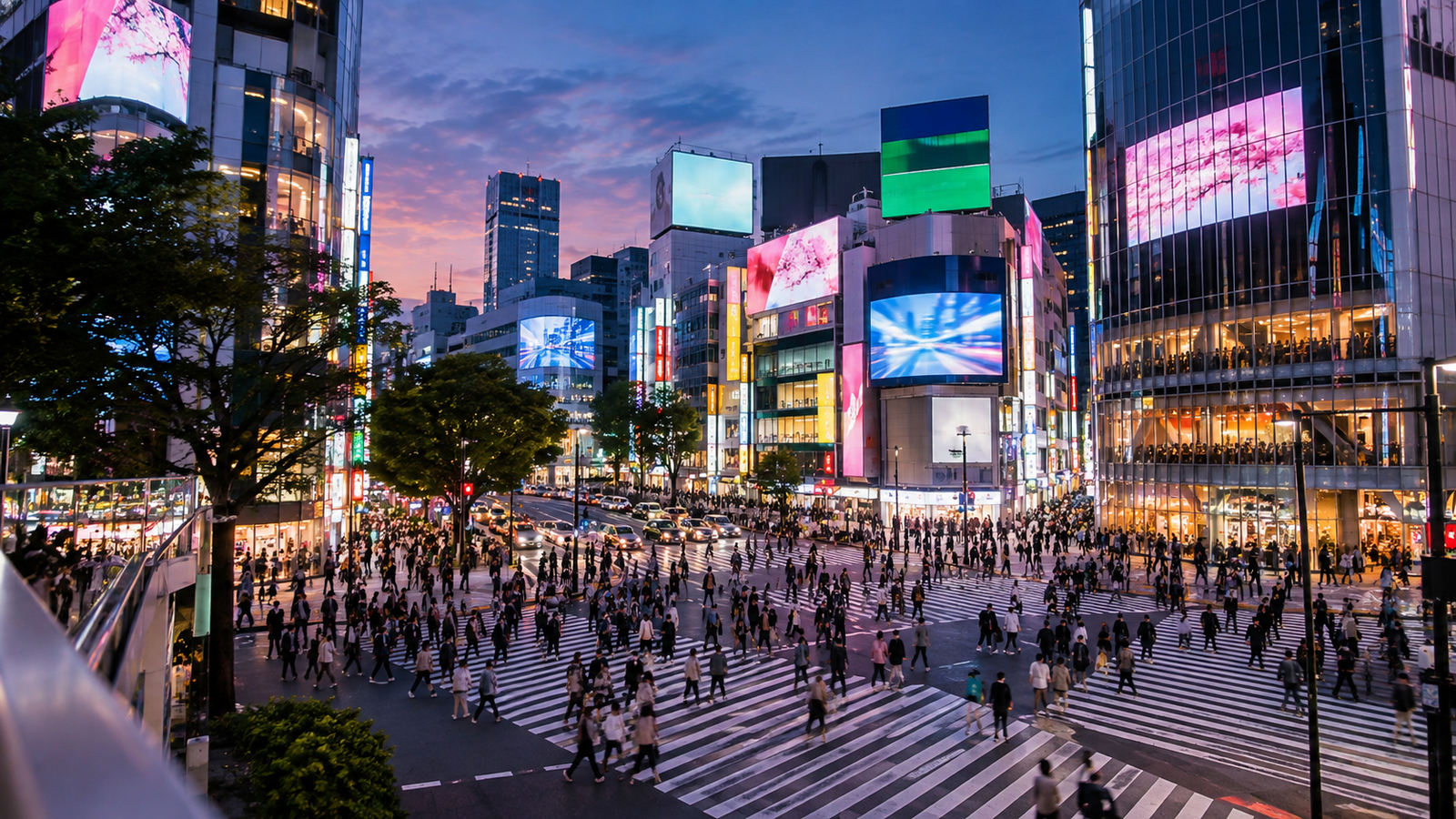
1. Shibuya Scramble Crossing
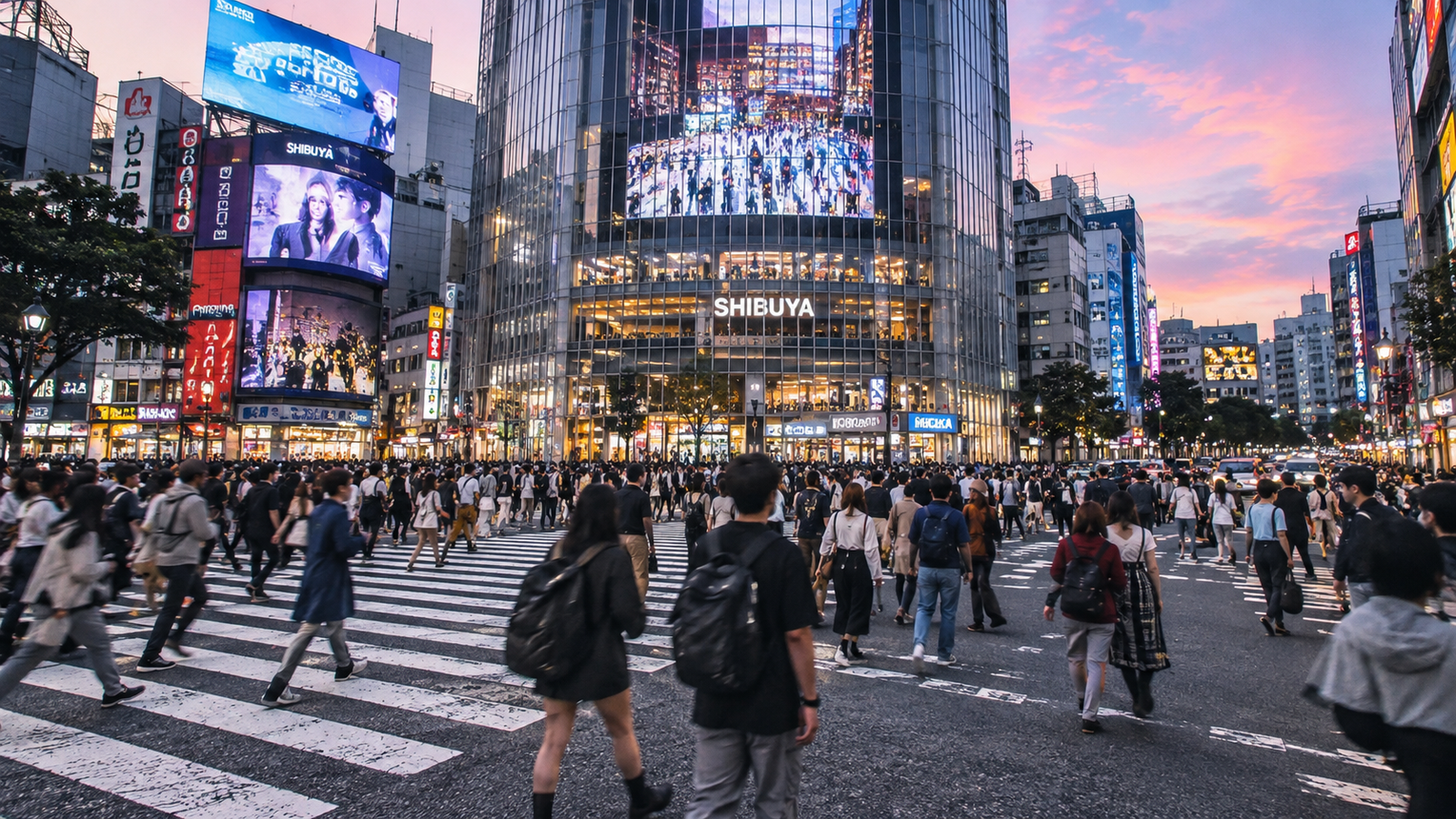
Why tourists visit: The famous intersection, neon lights, shopping, and the unmistakable energy of Tokyo.
Shibuya Crossing is probably one of the most photographed locations in Japan. Thousands of pedestrians cross the intersection during busy periods, creating the organized chaos Tokyo is famous for.
Our take: Worth seeing, especially at night. But crossing the street itself takes less than a minute. The surrounding neighborhoods, restaurants, and smaller backstreets are where things get more interesting.
Verdict: Worth visiting, but don’t make it your entire evening.
2. Senso-ji Temple, Asakusa
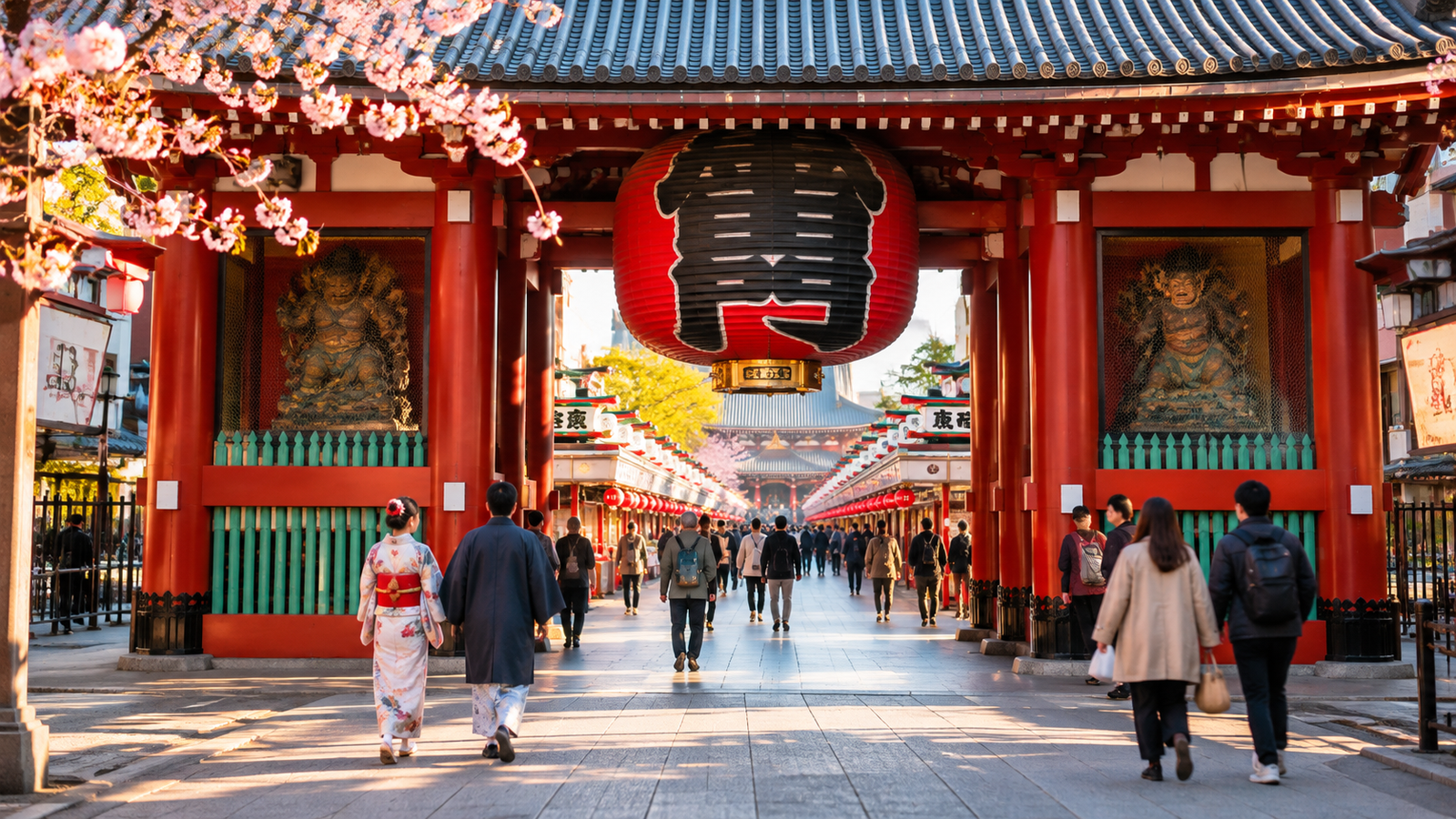
Why tourists visit: Traditional Japanese architecture, souvenir shopping, street food, and Tokyo’s oldest established Buddhist temple.
Senso-ji is one of Tokyo’s most recognizable landmarks. The famous Kaminarimon Gate and Nakamise shopping street attract enormous numbers of visitors.
Our take: A beautiful historic location, but the main shopping street can feel more like a tourist market than traditional Japan.
Visit early in the morning or later in the evening when the crowds thin out. Exploring the quieter streets around Asakusa can be equally rewarding.
Verdict: Recommended, particularly outside peak hours.
3. Tokyo Skytree
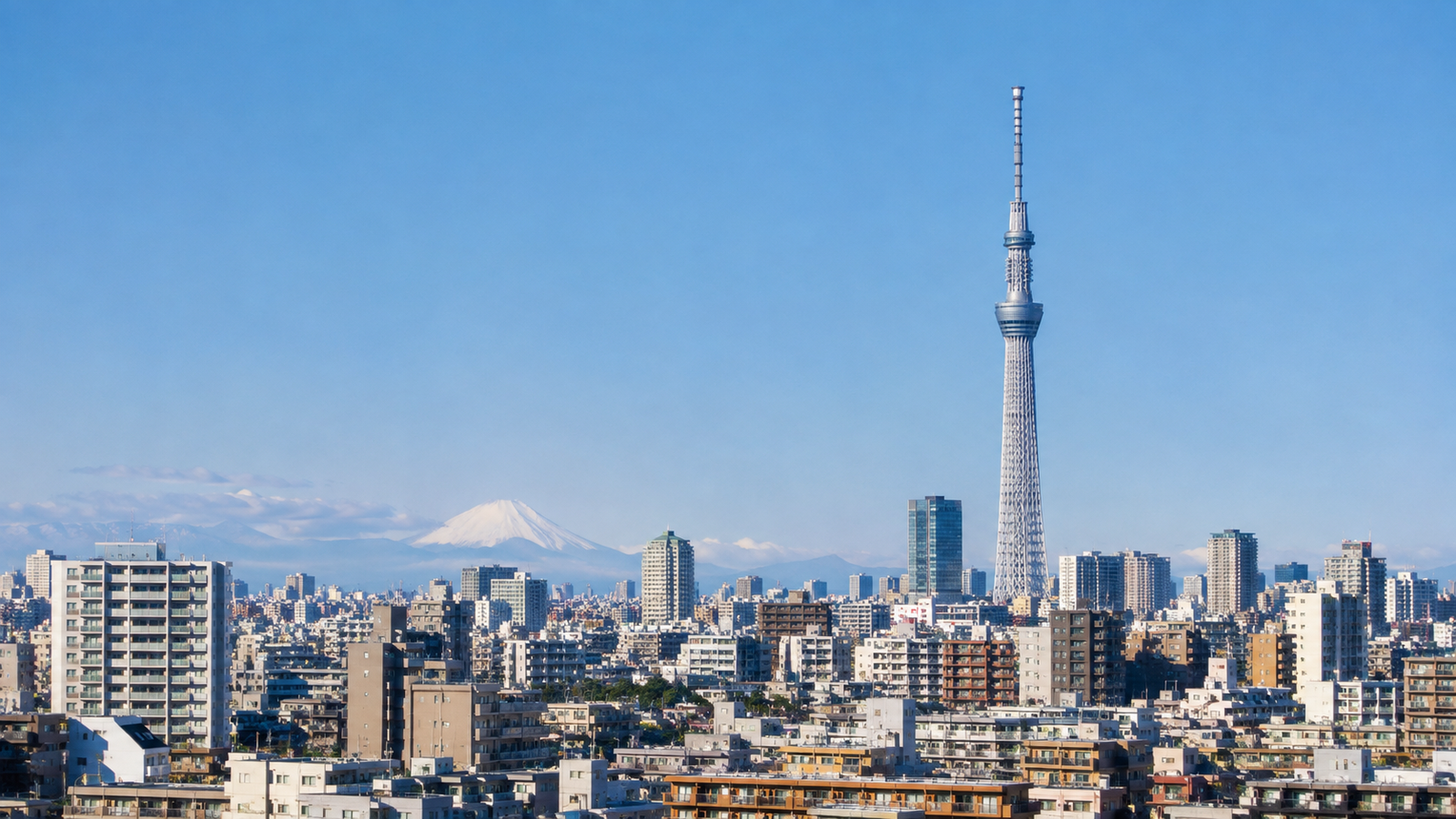
Why tourists visit: Panoramic views from one of the tallest structures in the world.
Standing 634 metres tall, Tokyo Skytree offers spectacular views across the city. On clear days, you may even see Mt. Fuji.
Our take: The views are impressive, but tickets, queues, and large crowds can make it a time-consuming experience.
Tokyo has several excellent observation decks, including some that are free, such as the Tokyo Metropolitan Government Building in Shinjuku.
Verdict: Great views, but not necessarily essential if you’re already visiting another observation deck.
4. Takeshita Street, Harajuku
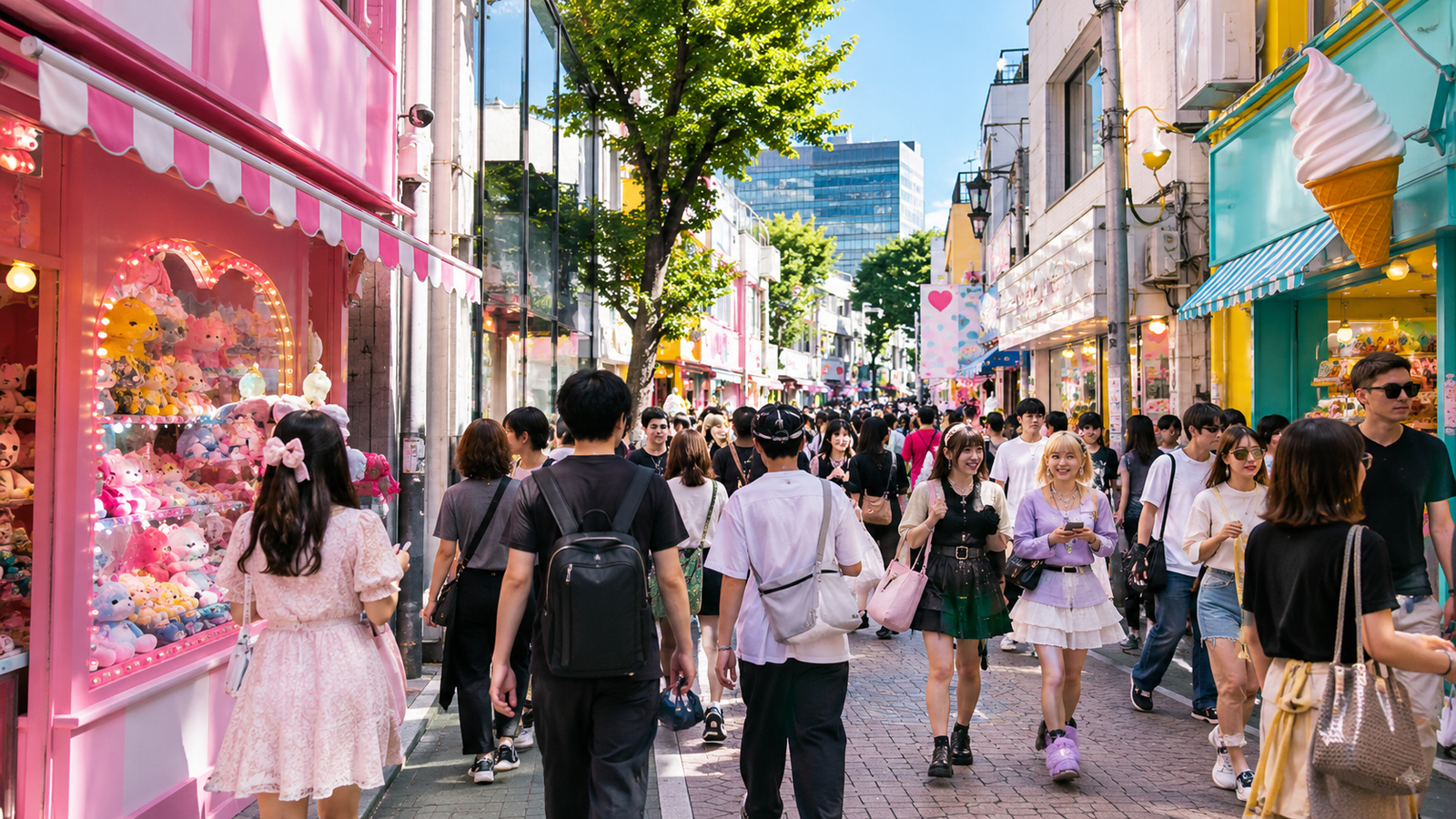
Why tourists visit: Japanese youth fashion, colorful sweets, unusual shops, and pop culture.
Takeshita Street is famous for its quirky fashion stores, crepes, and energetic atmosphere.
Our take: It’s fun to see once, but the street is often extremely crowded and increasingly geared toward tourists.
For a more relaxed experience, explore the nearby streets of Omotesando and Ura-Harajuku, where you’ll find independent boutiques, cafes, and interesting architecture.
Verdict: Interesting for a quick walk, but the surrounding neighborhoods offer more.
5. Tsukiji Outer Market
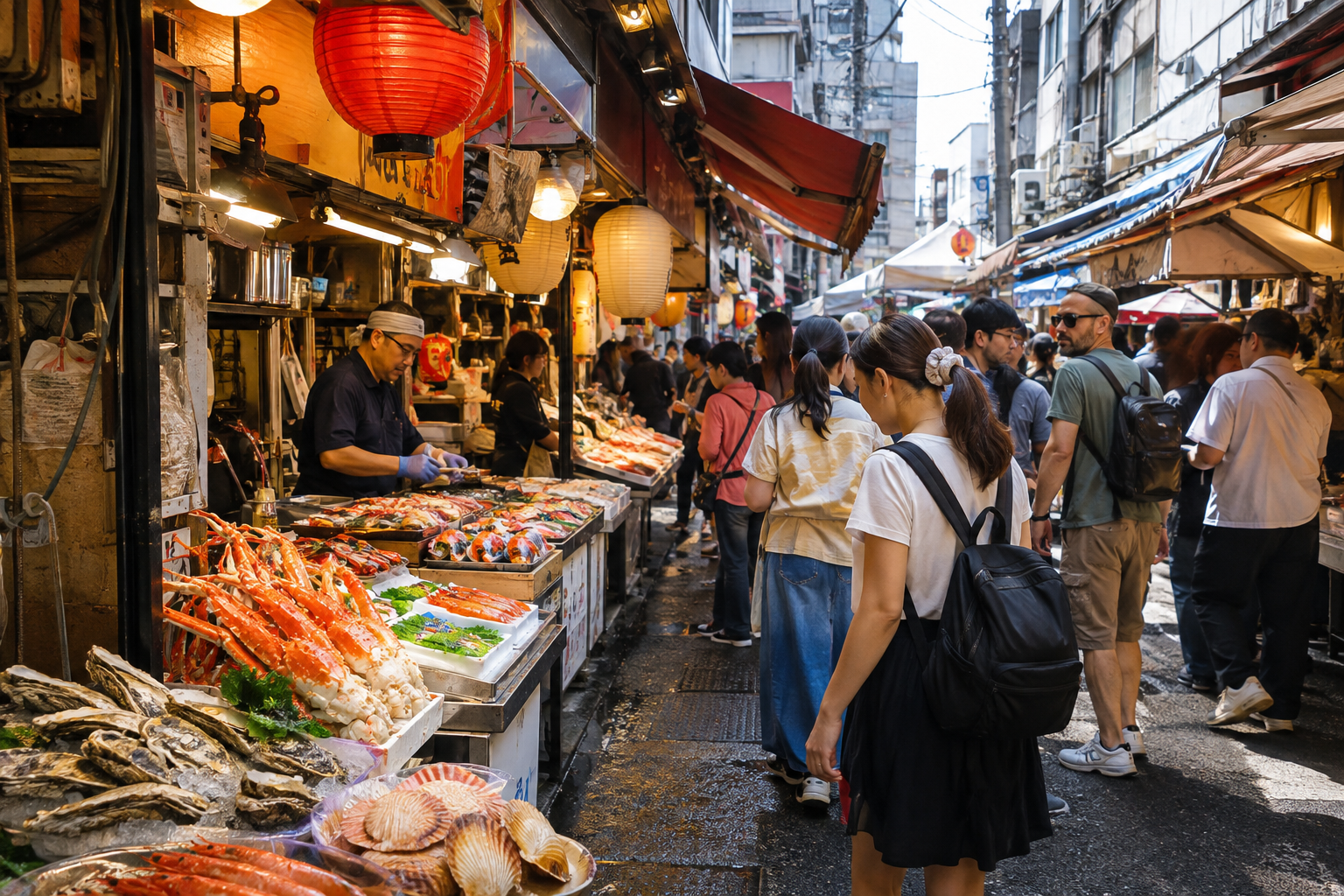
Why tourists visit: Fresh seafood, sushi, Japanese street food, and the atmosphere of a traditional food market.
Although Tokyo’s main wholesale fish market relocated to Toyosu in 2018, Tsukiji Outer Market remains a popular destination for food lovers.
Our take: There is excellent food here, but popularity has also brought inflated prices, long queues, and businesses focused heavily on tourists.
Don’t assume that the longest queue means the best food. Tokyo has outstanding sushi and seafood restaurants throughout the city.
Verdict: Worth exploring, but be selective about where you eat.
6. Akihabara Electric Town
Why tourists visit: Anime, manga, gaming, electronics, and Japanese pop culture.
Akihabara is famous for its brightly lit electronics shops, anime merchandise, gaming arcades, and specialist hobby stores.
Our take: If you’re genuinely interested in anime, gaming, or electronics, you’ll probably love it.
However, if these aren’t your interests, you may find yourself wandering through shops without much to do.
Verdict: Excellent for enthusiasts, but not essential for everyone.
7. teamLab Planets TOKYO
Why tourists visit: Immersive digital art, interactive installations, and unique photo opportunities.
teamLab Planets has become one of Tokyo’s most talked-about attractions, particularly among international visitors.
Guests walk through immersive environments combining light, water, mirrors, and digital artwork.
Our take: It’s creative, visually impressive, and quite different from traditional sightseeing.
However, it’s also heavily promoted on social media, and some visitors may find the experience shorter or more crowded than expected.
Verdict: Worth considering if you enjoy interactive art, but book ahead and manage your expectations.
8. Tokyo Tower
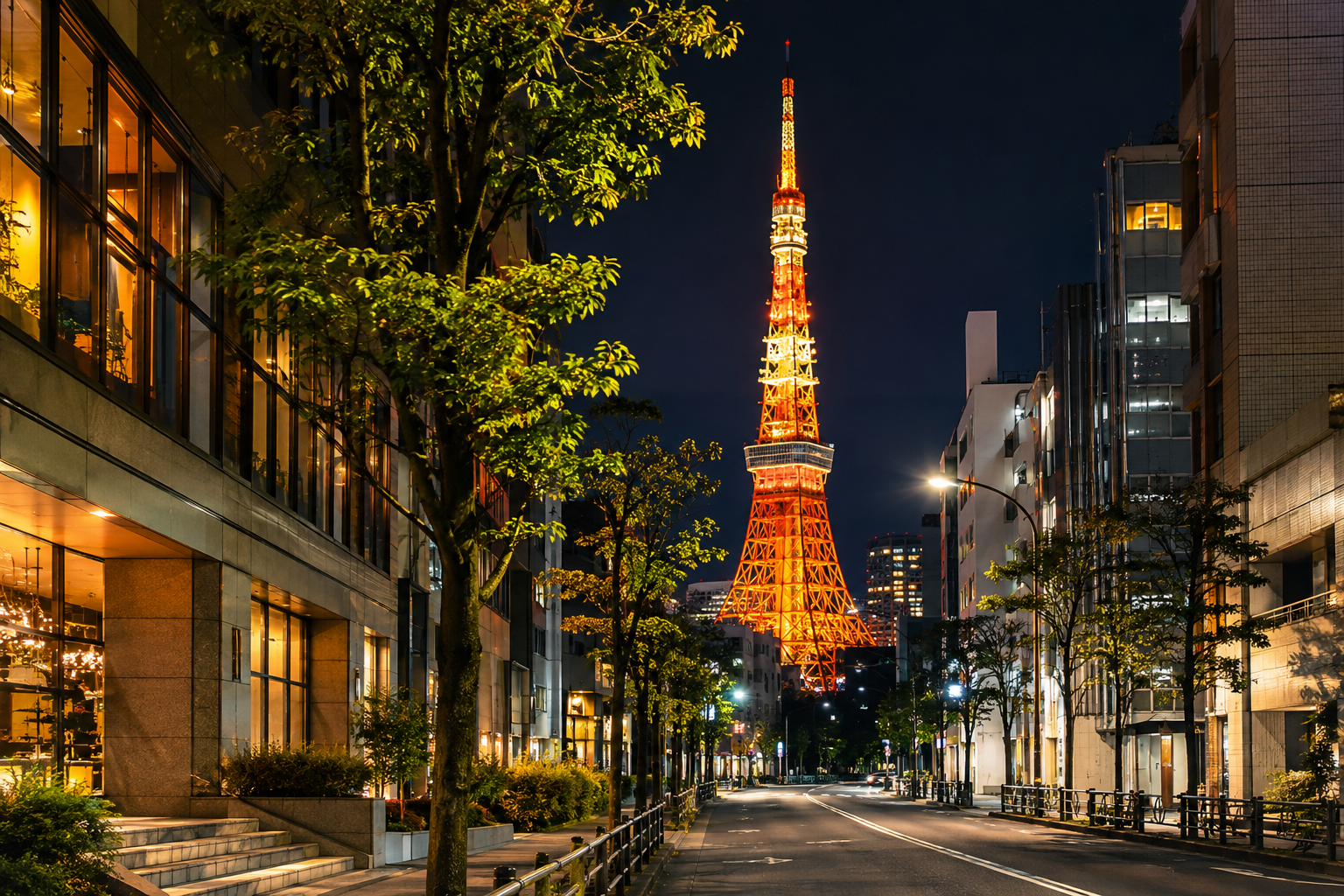
Why tourists visit: Tokyo’s iconic red-and-white landmark, city views, and classic photography locations.
Completed in 1958, Tokyo Tower remains one of the city’s most recognizable symbols.
Our take: We actually prefer admiring Tokyo Tower from the surrounding streets rather than paying to go up it.
Seeing the illuminated tower rising above the city at night is one of Tokyo’s most memorable sights.
Verdict: Highly recommended for photography, especially after dark. Going to the observation deck is optional.
9. Shinjuku Kabukicho and Golden Gai
Why tourists visit: Neon nightlife, bars, restaurants, entertainment, and the famous Godzilla head.
Shinjuku is one of Tokyo’s busiest entertainment districts, and Kabukicho offers a glimpse into the city’s nightlife culture.
Nearby Golden Gai is famous for its tiny bars packed into narrow alleyways.
Our take: One of Tokyo’s most interesting areas, particularly at night, but visitors should understand where they’re going.
Avoid street touts, check prices before entering unfamiliar establishments, and respect the rules of small bars. Some have cover charges or limited seating.
Verdict: Recommended for adults interested in Tokyo nightlife, provided they explore responsibly.
10. Meiji Jingu Shrine
Why tourists visit: Traditional Japanese culture, peaceful forest surroundings, and one of Tokyo’s best-known Shinto shrines.
Located beside the busy streets of Harajuku, Meiji Jingu offers a remarkable contrast to the surrounding city.
Walking through the enormous torii gates and forested pathways feels like entering another world.
Our take: One of the more worthwhile major attractions in Tokyo.
Unlike many heavily commercialized tourist destinations, Meiji Jingu offers a genuine opportunity to appreciate Japanese traditions and the peaceful atmosphere of a Shinto shrine.
Remember that it is an active place of worship, not simply a photography location.
Verdict: Highly recommended, especially in the morning.
So, Should You Visit All 10?
Not necessarily.
Tokyo is enormous, and one of the biggest mistakes first-time visitors make is trying to squeeze every famous attraction into a few days.
You can easily spend an entire holiday rushing between crowded locations, taking photographs, and ticking places off a list without really experiencing the city.
Some of Tokyo’s best memories happen away from the famous landmarks.
A quiet neighborhood restaurant, a small family-run shop, an evening walk through an unfamiliar street, or a conversation with a local can often be more memorable than another crowded attraction.
Our Advice: Don’t Just Follow Social Media
Social media has made discovering Japan easier than ever, but it has also concentrated enormous numbers of visitors in the same locations.
The most photographed place isn’t always the most interesting. The busiest restaurant isn’t necessarily the best. And the most popular tourist attraction isn’t always where you’ll discover authentic Japanese culture.
Visit the famous places that genuinely interest you, but leave time to explore beyond them.
A Final Word from Niche Tours
At Niche Tours, we believe experiencing Japan is about more than visiting famous landmarks.
Whether it’s discovering Tokyo’s hidden neighborhoods, understanding local customs, or experiencing Japan’s automotive culture, the most rewarding experiences often come from slowing down and appreciating what’s around you.
See the famous sights, but don’t forget to discover the Japan that exists beyond the tourist crowds.
Before your trip, read our 10 things to know before visiting Japan, or see our Tokyo car culture tours and prices.